
Wpływ dekompensacji ortodontycznej na przebudowę kości wokół zębów
Wersja anglojęzyczna
Impact of orthodontic decompensation on bone insertion
The direct relationship between orthodontic movement and the biological cost to periodontal tissues (1) and roots (2) of involved teeth encourages a reflection on the conventionally performed therapeutic procedures. The advent of cone beam computed tomography enabled a precise characterization of root morphology (2-5), alveolar bone, and the supporting periodontal tissue of each tooth individually (2, 6-13).
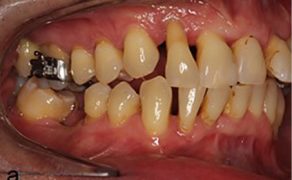
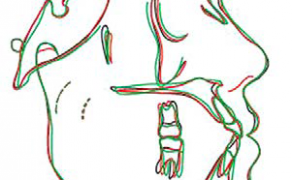
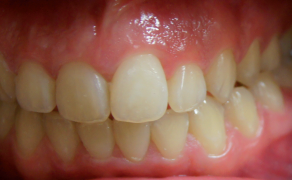
Patients with dentoskeletal deformities require buccolingual movements of incisors for surgical treatment (decompensation) or comprehensive orthodontics (compensation). In these patients, greater attention is required in planning buccolingual movements of the maxillary and mandibular anterior teeth. Tooth movement beyond the limits of the alveolar bone may cause buccal dehiscences which may predispose to gingival recession in the long term. Both buccal and lingual bone plates of mandibular incisors are very thin (14). This concern is even greater when there is both sagittal and vertical skeletal involvement, as in skeletal Class III patients with excessive vertical facial dimension where the mandibular symphysis and alveolar ridge are even thinner (1, 7, 10, 12). From this perspective, in order to plan orthodontic decompensation of mandibular incisors, in Class III hyperdivergent patients, the orthodontist should consider, besides the amount of incisor crowding, the gingival biotype and the effects of labial incisor movement on the buccal and lingual bone plates.
This [...]

którzy są subskrybentami naszego portalu.
i ciesz się dostępem do bazy merytorycznej wiedzy!